Most people compare ramps based on price, load capacity and portability. Fair enough, they’re all important factors. But another consideration can make a big difference over the life of a ramp: maintenance.
A ramp that's easy to maintain can save time, reduce ongoing costs, and help keep access safe and reliable for years to come.
From wheelchair ramps for home access to loading ramps for deliveries and heavy-duty container ramps, understanding the maintenance requirements of different materials can help you make a more informed decision.
In this ramp maintenance guide, we'll compare aluminium, steel, rubber and plastic ramps, explain what each material needs to stay in good condition, and look at maintenance requirements across different ramp applications.
Why Does Regular Ramp Maintenance Matter?

Carefully inspects the support legs and alignment of a truck ramp.
Most ramps are relatively low maintenance, but regular care can help extend their lifespan and ensure they continue performing as intended. A quick inspection every so often can help identify small issues before they become bigger problems.
Things worth checking include:
- Rust, corrosion or surface deterioration
- Cracks, dents or structural damage
- Loose bolts, hinges or fixings
- Worn anti-slip surfaces
- General wear from everyday use
Helpful safety note: Before using any ramp, check that it's in good condition and suitable for the intended load and application. If you notice significant damage or excessive wear, stop using the ramp and seek advice from the manufacturer or a suitably qualified professional.
Which Ramp Material Requires the Least Maintenance?
If low upkeep is a priority, aluminium and rubber ramps are generally among the easiest options to maintain. Steel ramps often require more attention due to the potential for corrosion, while plastic ramps are relatively simple to care for but may need closer monitoring for wear in high-use environments.
Let's take a closer look.
How Do You Maintain an Aluminium Ramp?

Ensure ramps match equipment weight capacity.
When it comes to aluminium ramp maintenance, the good news is that aluminium naturally resists corrosion, mobility solutions and portable applications.
Ramp care and maintenance tips for aluminium ramps:
- Remove dirt, mud and debris regularly
- Wash with mild soap and water when needed
- Inspect for dents, cracks or other signs of damage
- Check hinges, bolts and moving parts for wear
- Store in a clean, dry location when not in use
For many buyers, aluminium ramps offer one of the best balances of durability, longevity and low ongoing maintenance.
What Does Steel Ramp Maintenance Involve?

Secure container ramps firmly before loading.
Steel ramps are commonly used in demanding environments such as loading docks, warehouses and container access points. They're exceptionally strong but generally require more upkeep than aluminium.
The biggest consideration with steel ramp maintenance is protecting the ramp from rust and corrosion, particularly in outdoor or coastal environments.
Ramp care and maintenance tips for steel ramps:
- Remove dirt, debris and standing water regularly
- Inspect for signs of rust or corrosion
- Check welds, bolts and structural components
- Touch up protective coatings where recommended
- Store in a dry location whenever possible
With proper care, steel ramps can provide many years of reliable service in heavy-duty applications.
How Do You Maintain a Rubber Ramp?

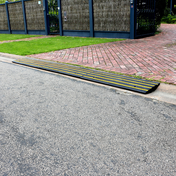
Position curb ramps flush to prevent scraping.
Rubber ramps are widely used for kerb, thresholds and mobility access because they're durable, weather-resistant and easy to maintain. In most cases, maintenance simply involves keeping the surface clean and checking for signs of wear.
Ramp care and maintenance tips for rubber ramps:
- Sweep away dirt, leaves and debris regularly
- Wash with water and a mild detergent when needed
- Check for cracks, splits or compression damage
- Ensure fixed ramps remain stable and secure
- Keep drainage areas clear, where applicable
For homeowners and accessibility users, rubber ramps are often one of the most straightforward solutions from a maintenance perspective.
Need more tips? Read our guide on cleaning and caring for rubber threshold ramps.
How Do You Maintain a Plastic Ramp?

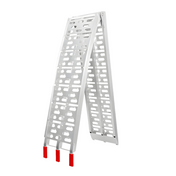
Secure portable ramp firmly on level surfaces.
Plastic ramps are valued for being lightweight, portable and resistant to corrosion. They're commonly used for temporary access solutions and lighter-duty applications.
Ramp care and maintenance tips for plastic ramps:
- Remove dirt and debris regularly
- Clean with mild soap and water
- Inspect for cracks, warping or deformation
- Inspect high-contact areas for wear
- Store in a sheltered location when not in use
Quick Comparison Table: Which Ramp Material Is Easiest to Maintain?

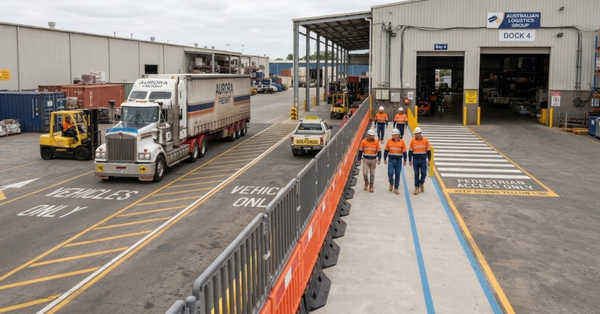
Select ramp materials based on operational requirements.
Does Ramp Maintenance Change Depending on How the Ramp Is Used?
Absolutely. Even two ramps made from the same material can have very different maintenance requirements depending on their application. A wheelchair ramp used at home experiences different wear and tear compared to a container ramp supporting forklift traffic every day.
Wheelchair and Mobility Ramp Maintenance

Maintain clear, stable handrails for optimal safety.
For wheelchair ramps and mobility access solutions, the focus is on maintaining safety, stability and accessibility.
A few things worth checking regularly:
- Keep the ramp surface clean and free from dirt, leaves and other slip hazards
- Check anti-slip surfaces for signs of wear
- Inspect handrails, fixings and support structures (where applicable)
- Ensure transition points remain level and secure
- Monitor for movement, cracking or damage that could affect accessibility
Loading Ramp Maintenance

Verify connection points are secure before loading.
Loading ramps are exposed to repeated loading cycles and often operate in busy work environments. Regular checks can help identify wear before it affects performance.
Key areas to monitor:
- Hinges and connection points
- Load-bearing surfaces for wear
- Surface traction and grip traction
- Dents, bents or impact damage
- Safety straps, pins or locking mechanisms
Container and Forklift Ramp Maintenance

Center the forklift on the ramp surface.
Container ramps often operate in some of the toughest environments, handling heavy loads, forklift traffic and exposure to the elements.
To keep them performing reliably:
- Inspect welds and structural components
- Monitor for corrosion, particularly in outdoor or coastal environments
- Follow the manufacturer's load ratings and avoid exceeding the ramp's intended capacity.
- Replace worn or damaged components promptly
- Schedule periodic professional inspections, particularly for ramps used in high-traffic or heavy-duty applications
Threshold and Kerb Ramp Maintenance

Use grooved threshold ramps to prevent slippage.
Threshold and kerb ramps are often exposed to constant foot traffic, vehicle traffic and changing weather conditions.
Helpful checks include:
- Check for cracking, splitting or compression damage
- Ensure the ramp remains stable and properly positioned
- Keep drainage channels clear, where applicable
- Inspect high-traffic areas for excessive surface wear
- Monitor for movement that could create a trip hazard or affect vehicle access
Frequently Asked Questions
How often should a ramp be inspected?
For most residential ramps, a visual inspection every few weeks is a good habit. Commercial and industrial ramps may require more frequent checks depending on usage and workplace requirements.
Which ramp material requires the least maintenance?
Aluminium and rubber ramps are generally considered among the lowest-maintenance options due to their resistance to corrosion and weather exposure.
Can aluminium ramps rust?
No. Aluminium does not rust like steel. However, it should still be cleaned and inspected regularly for damage or wear.
What is the biggest maintenance concern for steel ramps?
Corrosion is usually the main issue. Regular inspections and maintaining protective coatings can help extend the ramp's lifespan.
Do outdoor ramps need more maintenance?
Usually, yes. Exposure to rain, sunlight, dirt and changing temperatures can increase wear and tear over time.
Final Thoughts
The best ramp isn't always the strongest or the cheapest; it's the one that suits your application, environment and maintenance expectations.
For many buyers, aluminium ramps offer an excellent balance of durability and low maintenance. Steel ramps remain a strong choice for demanding industrial environments, while rubber and plastic ramps can provide simple, practical solutions for accessibility and temporary access applications.
By understanding the maintenance requirements of different ramp materials, you'll be better equipped to choose a solution that continues performing well for years to come.
Need help finding the right ramp?
Explore our range of wheelchair ramps, loading ramps, container ramps and kerb ramps, or get in touch with our team for expert advice on finding the right solution for your application.