Mobility scooters have given thousands of Aussie seniors the freedom to get out and about again.
A quick trip to the shops, visiting friends, or a ride around the local park suddenly becomes easier. They make everyday movement simpler and help people stay active and independent.
Like anything with wheels, a mobility scooter is safest when you know how to use it properly. A few simple habits can help you get around more easily and avoid common risks.
In this guide, we’ll walk through simple mobility scooter safety tips to help you stay confident, avoid common problems, and travel safely day to day.
What Are Mobility Scooters and Who Are They For?
Mobility scooters are battery-powered vehicles designed to help people with limited mobility move around more easily. They're commonly used by seniors who want to maintain independence without relying on others for transport.
There are a few common types of mobility scooters, each suited to different situations:
Travel Scooters
Lightweight and compact. Great for short trips or indoor use.
Mid-Size Scooters
A good balance of comfort and portability for both indoors and outdoors.
Heavy-Duty Scooters
Built for longer distances, rougher paths, and outdoor use.
While mobility scooters are helpful for many people, they're not suitable for everyone.
A person may not be suited to using a mobility scooter if they:
- Have difficulty with balance or coordination
- Can’t operate basic hand controls
- Have poor vision or hearing that affects awareness
- Become easily confused or disoriented in public spaces
If you’re unsure whether a mobility scooter is right for you, it’s worth having a quick chat with your GP or an occupational therapist first.
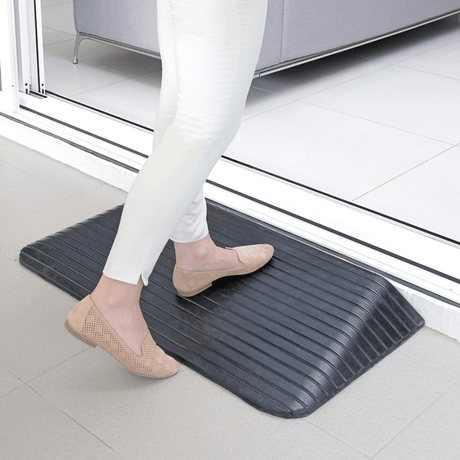
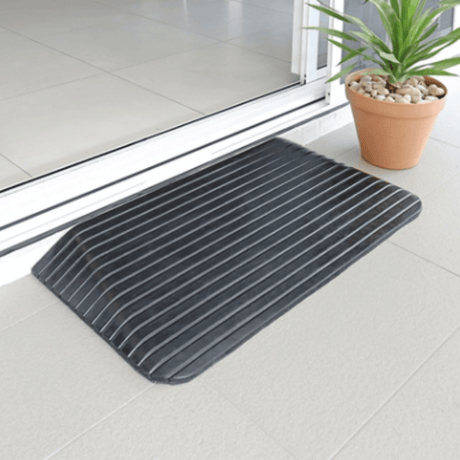
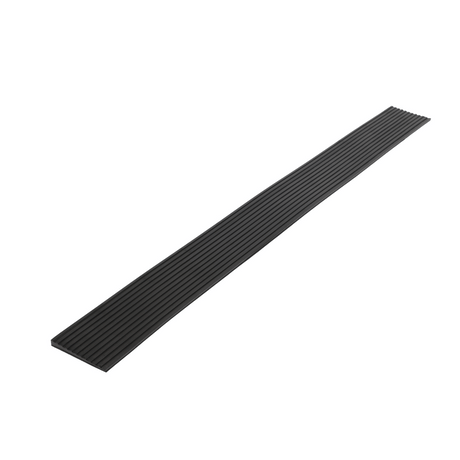
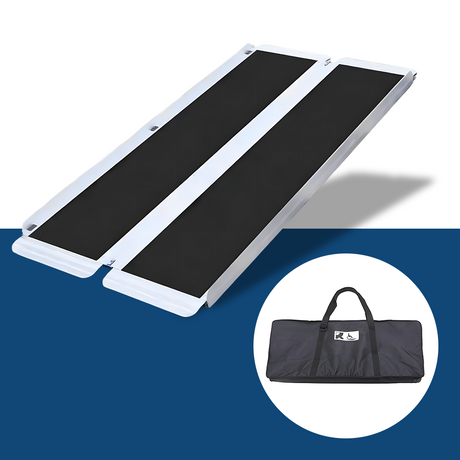
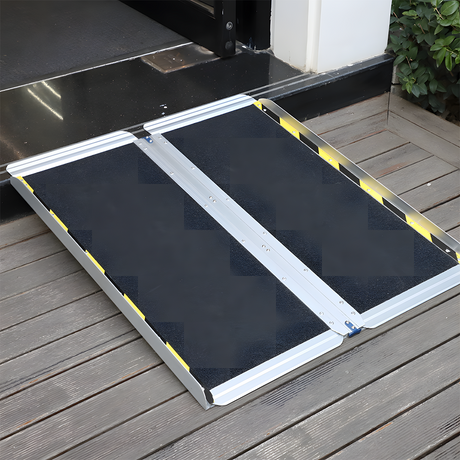
⚠️ Safety Note: Before heading out on a scooter, make sure getting in and out of your home is safe and easy. Even a small doorway step can be a trip hazard. A quality threshold ramp or mobility scooter ramp can greatly reduce the risk of falls.
Top 3 Mobility Scooter Safety Tips for Seniors

Using a mobility scooter safely starts before you even leave home. These core tips help create a safer experience from day one.
1. Choose the Right Scooter for Your Needs
Your scooter should match where and how you’ll use it. Smaller scooters suit indoor and smooth surfaces, while larger models provide better stability for outdoor paths and longer trips.
2. Read the Manual Carefully
Every scooter is different. Take time to read the manual to understand the controls, braking system, turning space, weight limits, and battery care instructions.
3. Plan Ahead for Accessibility
Check that your route and destination are scooter-friendly. Look for ramps, wide footpaths, automatic doors, and accessible entrances before heading out.
Safety Tips for Using Mobility Scooters in Public Spaces

Public areas bring more movement, obstacles, and people. These mobility scooter tips for seniors focus on awareness, control, and courtesy.
1. Get Comfortable Before Going Out
Start by practising in a quiet area. Take some time to get comfortable starting, stopping, turning, and reversing smoothly. Keep your speed low until you feel confident handling the scooter.
2. Improve Your Visibility
Staying visible helps others notice you sooner. Bright clothing, reflectors, or a safety flag can make a big difference, especially near roads, car parks, or low-light areas.
3. Stay on the Footpath Where Possible
In most parts of Australia, mobility scooters are treated as pedestrian devices when used due to age or a medical condition. Footpaths are usually the safest place to travel. If you need to use the road, keep well to the left and stay alert.
4. Follow Pedestrian Signals
When crossing roads, pedestrian lights and crossings are the safest option. Take your time, check for traffic, and make sure drivers can see you before moving across.
5. Stay Alert
Shared spaces can change quickly. Keep an eye out for pedestrians, cyclists, prams, pets, and uneven surfaces. Doorways, kerbs, and driveway crossings often need a little extra attention.
6. Slow Down in Busy Areas
Busy areas can be unpredictable. Slowing down in crowds or tight spaces gives you more time to react and stop safely if someone changes direction suddenly.
7. Respect Personal Space
Giving people a little extra space helps avoid sudden movements. A friendly “excuse me” or polite warning can make passing others smoother and safer.
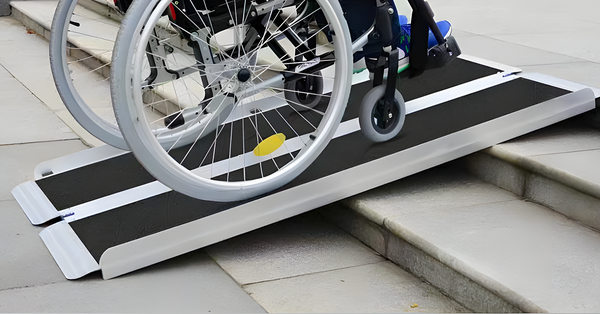
8. Use Ramps and Accessible Entrances
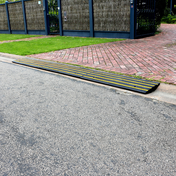
Steps and high kerbs can be difficult to navigate. Using mobility ramps or accessible entrances helps you move between levels safely and comfortably.
9. Maintain Your Scooter
Regular checks help prevent problems while you’re out and about. Keep an eye on tyre condition, brake response, and battery levels so your scooter stays reliable.
10. Be Prepared for Emergencies
Carrying a charged mobile phone can give peace of mind. If you’re travelling alone, it can also help to let a family member or friend know where you’re heading.
Frequently Asked Questions

Q: Do I need a licence to drive a mobility scooter in Australia?
A: In most parts of Australia, you don’t need a licence to use a mobility scooter. They’re generally treated as pedestrian devices when used due to age or a medical condition.
Some states and territories, like QLD, require registration. Always check with your local transport authority for details.
Q: Can I ride a mobility scooter on the road?
A: Footpaths are usually the safest place to travel and should be used where available. If there isn’t a footpath, you can use the road, but stay close to the edge and remain alert to traffic.
Q: How long will a mobility scooter last?
A: Most mobility scooters last around 5 to 10 years, depending on how often they’re used and how well they’re maintained. Regular servicing and proper battery care can help extend their lifespan.
Q: What rules apply to mobility scooters?
A: In most areas, mobility scooter users follow the same basic rules as pedestrians. That means obeying traffic signals, using crossings where possible, and keeping speeds within safe limits (usually under 10 km/h).
Q: What are the most common mobility scooter problems?
A: Battery issues are the most common, especially if charging habits aren’t consistent. Tyre wear and brake adjustments can also come up over time. Regular checks help prevent small issues from turning into bigger problems.
Stay Safe and Keep Moving

If you or someone in your family uses a mobility scooter, safe access at home matters just as much as safety on the footpath.
Even small doorway steps or level changes can become difficult to manage with a scooter. The right ramp makes it easier to move over thresholds, steps, and entryways without stress.
If you’re looking to make access easier at home, explore our range of mobility ramps designed for everyday use.