So, you need a bollard. Seems simple enough, right?
Then you start looking and realise there’s more to it than you thought. Fixed, removable, flexible, retractable, not to mention different materials and installation methods.
They might all look like variations of the same sturdy post, but they don’t all do the same job.
Perhaps you need to control vehicle access, separate cars from pedestrians or protect a warehouse doorway from wayward forklifts.
Whatever the job, choosing the right bollard starts with knowing what each type is designed to do.
That’s where we can help.
In this guide, we’ll break down what bollards are, the different types available and where they work best, so you can narrow down your options and choose the right one for your site.
What Is a Bollard?
A bollard is a short, sturdy post used to guide or restrict vehicle movement, separate vehicles from pedestrians and protect buildings, equipment or other vulnerable areas.
You’ll see them just about everywhere, from car parks and warehouses to schools, shopfronts and public spaces.
Depending on the job, a bollard might simply show drivers where they can and can’t go, or provide a physical barrier around an area that needs protection.

Bollards help separate pedestrian walkways from vehicle traffic in busy areas.
What Is the Main Purpose of a Bollard?
There isn’t just one. Bollards are commonly used to:
- Control vehicle access to restricted or pedestrian-only areas.
- Separate vehicles and pedestrians where they share the same space.
- Guide traffic through car parks, worksites and other busy areas.
- Protect property and equipment that could be exposed to vehicle movements.
Not every bollard is designed to stop a vehicle. That’s why it helps to start with what you need the bollard to do before deciding which type is right for your site.
What Are the Different Types of Bollards?

Different bollard types suit different access and site requirements.
Bollards come in different designs depending on how you need to manage vehicle access, traffic or protection. Let’s look at the most common types of bollards.
Permanent/Fixed Bollards
As the name suggests, fixed bollards are permanently installed and stay in place.
You’ll often find them around building entrances, pedestrian areas, machinery and other spots that need ongoing protection or vehicle restriction.
They’re a practical choice when vehicles don’t need to pass through the area.
Removable Bollards
Need to restrict access but still let vehicles through from time to time? Removable bollards can be taken out when access is required and put back afterwards.
This makes them useful for driveways, service areas and restricted zones that occasionally need to accommodate deliveries, maintenance vehicles or other authorised traffic.
Flexible Bollards
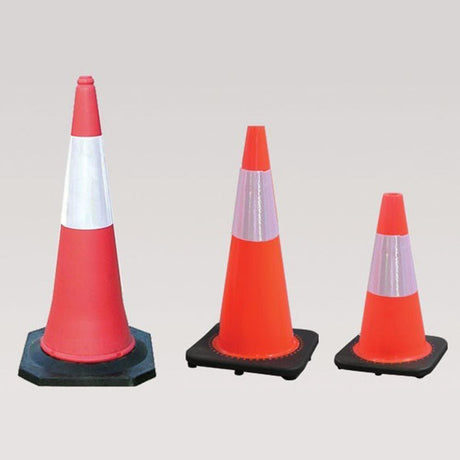
Flexible bollards are a little different. Rather than acting as a rigid barrier, they’re designed to bend when contacted and return to their original position.
You’ll commonly see them marking traffic lanes, pedestrian areas and other zones that need to be clearly visible to drivers.
They’re generally used to guide traffic and mark boundaries rather than to provide substantial physical protection.
Collapsible Bollards
Collapsible bollards, also known as fold-down bollards, can be lowered when vehicle access is needed and raised again to restrict access.
They’re useful for parking spaces, driveways and other areas where access needs to change regularly.
Because the bollard stays attached to the ground when lowered, there’s no separate post to remove and store.
Retractable Bollards
Retractable bollards lower into the ground when access is needed and rise again when you need to restrict the area.
They’re often used at entrances, driveways and access points where vehicles need to pass through regularly. Depending on the system, they can be operated manually or automatically.
How Are Bollards Installed?

In-ground installation secures the bollard's base beneath the pavement surface.
Bollards are generally installed in one of two ways: in the ground or onto an existing surface. The right option depends on the bollard, the site and what you need it to do.
In-Ground Bollards
In-ground bollards are set into the ground, typically with a concrete footing.
This creates a secure, permanent installation, making them suitable for areas where the bollard needs to stay firmly in place.
They require more groundwork than surface-mounted bollards, so it’s worth considering the site and installation requirements before choosing between the two.
Surface-Mounted Bollards
Surface-mounted bollards are installed directly onto an existing concrete surface, usually with anchor bolts.
They can be a practical option when you want to avoid the excavation required for an in-ground installation.
Just keep in mind that their performance depends on the bollard, fixings and the surface they’re attached to, so always check the installation requirements for the product.
What Materials Are Bollards Made From?
Bollards are available in several materials. The right one depends on what the bollard needs to do, where it will be installed and the conditions it will be exposed to.

Bollard materials offer different features suited to different site conditions and applications.
Steel Bollards
Steel bollards are strong and durable, making them a common choice for warehouses, car parks, loading areas and commercial properties.
They’re often powder-coated or galvanised to help protect against corrosion, and high-visibility finishes can make them easier for drivers to see.
Stainless Steel Bollards
Stainless steel bollards offer durability with a cleaner, more polished appearance.
You’ll often find them around shopfronts, commercial buildings and public spaces where appearance matters as well as function.
Stainless steel also offers good corrosion resistance, making it suitable for many outdoor environments.
Concrete Bollards
Concrete bollards are heavy, durable and generally used for permanent installations.
They’re commonly found in public spaces, pedestrian areas and car parks where a substantial physical boundary is needed.
They can also suit sites where the bollard needs to blend in with surrounding landscaping or architecture.
Plastic and Polyurethane Bollards
Plastic and polyurethane are commonly used for flexible bollards and traffic delineators.
They’re lightweight, highly visible and useful for marking lanes, separating traffic and highlighting restricted areas.
Unlike rigid steel or concrete bollards, they’re generally intended to guide traffic rather than provide substantial impact protection.
Where Are Bollards Commonly Used?
Bollards can be used anywhere you need to control vehicle movement, protect an area or create a clear boundary between vehicles and people.
Here are some of the most common applications.
Car Parks
Car park bollards help guide traffic, protect pedestrian walkways and prevent vehicles from entering restricted areas.
They can also be placed around ticket machines, boom gates, EV chargers and other equipment that could be damaged by a vehicle.

Bollards can help protect equipment from accidental vehicle contact.
Warehouses and Loading Areas
Warehouses can be busy places, with forklifts, trucks and workers often moving through the same areas.
Warehouse bollards help protect doorways, racking, machinery and building corners, while also creating clearer separation between vehicles and pedestrians.
They can also form part of a broader worksite safety plan for reducing the risk of vehicle and pedestrian accidents.
Building Entrances and Shopfronts
Bollards are often installed outside building entrances and shopfronts to help keep vehicles away from pedestrian areas and vulnerable parts of the building.
The right option will depend on whether you simply need to guide traffic or require a stronger level of physical protection.
Schools and Pedestrian Areas
Around schools and other busy pedestrian areas, bollards can help define where vehicles should and shouldn’t go.
They’re commonly used near entrances, walkways, drop-off zones and other areas where pedestrians and vehicles may come close together.
Driveways and Restricted Access Areas
Bollards can also be used to prevent unauthorised vehicles from entering driveways, private car parks and restricted areas.
If access is only needed occasionally, a removable, collapsible or retractable bollard can provide more flexibility than a permanent one.
Public Spaces
You’ll also find bollards in parks, plazas, footpaths and other public spaces.
Depending on the location, they may be used to guide vehicles, define pedestrian areas or restrict vehicle access while still allowing people to move through the space.

Bollards can restrict vehicle access while allowing pedestrians to pass through.
How Do You Choose the Right Bollard?
Choosing the right bollard starts with being clear about what you need it to do. Are you guiding traffic, restricting access or protecting people, buildings or equipment?
From there, consider:
How much protection do you need? A flexible bollard may be enough to guide traffic, while areas needing physical protection may require a more robust solution.
Does vehicle access need to change? Fixed bollards suit areas that should stay closed to vehicles. Removable, collapsible or retractable bollards are better when access is sometimes required.
Where will it be installed? Check whether the site is suitable for an in-ground or surface-mounted installation, including the condition of the ground or concrete.
What conditions will it face? Consider weather, corrosion, frequent vehicle movements and whether high visibility is important.
Does appearance matter? In public-facing areas, the finish and material may be just as important as the bollard’s function.
Not every bollard is designed to withstand vehicle impacts.
If impact protection is required, check the manufacturer's specifications for tested performance and installation requirements before choosing a product.
For workplaces where pedestrians and vehicles share space, Safe Work Australia's traffic management guidance offers practical advice on identifying risks and managing vehicle movements.
Frequently Asked Questions

Bollards help protect vulnerable areas in warehouses and industrial spaces.
Do bollards stop vehicles?
Some can, but not every bollard is designed to stop a vehicle. Flexible bollards, for example, are mainly used to guide traffic and mark boundaries.
If you need protection from vehicle impact, choose a bollard specifically designed for that job and follow the product’s installation requirements.
How far apart should bollards be?
There’s no single spacing that works for every site. It depends on what the bollards are being used for, the vehicles in the area and whether people need to pass between them.
When planning bollard spacing, consider vehicle dimensions, pedestrian access, site layout and any applicable accessibility or safety requirements.
Can bollards be installed on existing concrete?
Yes, surface-mounted bollards can often be installed on existing concrete using suitable fixings.
However, the concrete needs to be suitable for the bollard and its intended use. Check the product’s installation requirements before installing it.
Can bollards be removed?
Some can. Removable bollards can be taken out when access is needed, while collapsible bollards fold down and retractable bollards lower into the ground.
Fixed bollards, on the other hand, are designed to stay in place.
Do I need council approval to install bollards?
It depends on where you’re installing them. The requirements for private property may be different if the bollards affect a footpath, road, public space or access point.
If you’re unsure, check with your local council before installing them.
Find the Right Bollard for Your Site

Bollards and safety barriers help separate pedestrian walkways from vehicle traffic in warehouses.
Bollards might look simple, but choosing the right one comes down to what you need it to do, where it will be installed and how much protection or access control you need.
Once you know that, it becomes much easier to narrow down the right type, material and installation method for your site.
If you’re still not sure which option is right for you, explore our range of safety bollards or contact us. We can help you find a practical solution that suits your site and the job at hand.