Have you ever paused before using your ramp because something just didn't feel quite right? Maybe you've noticed a crack, a little more movement than usual, or you've recently upgraded your vehicles, equipment or mobility aids, and you’re no longer confident your current ramp is still the right fit.
If you're wondering whether it's time to replace your ramp, there are a few warning signs to look out for. Most ramps don’t suddenly fail overnight. Instead, they gradually show signs of wear, become less suited to your needs, or lose the stability they once had. Spotting these warning signs early helps prevent accidents, protects your equipment and gives you peace of mind.
No matter what type of ramp you use, from loading ramps and wheelchair ramps to threshold ramps, kerb ramps and dog ramps, knowing when to replace a ramp is an important part of ramp safety. This guide explains the five most common warning signs, provides practical loading ramp safety advice and helps you decide whether it's time to upgrade.
Why Ramp Safety Matters
Your ramp is designed to provide safe, reliable access every time you use it. But like any piece of equipment, it experiences wear over time. Damage, age, incorrect use or changing requirements all affect its performance.
A ramp that's no longer suitable increases the risk of slips, falls and damage to your vehicle, equipment or mobility aid. Regular visual inspections help you identify problems early, before they become serious safety risks.
These five warning signs will help you decide when to replace a ramp before it's too late.
1. Your Ramp Shows Signs of Wear and Tear

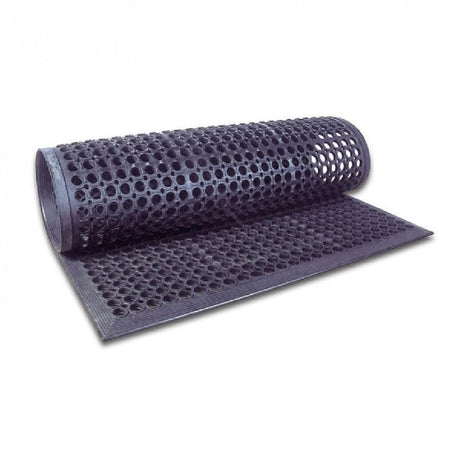
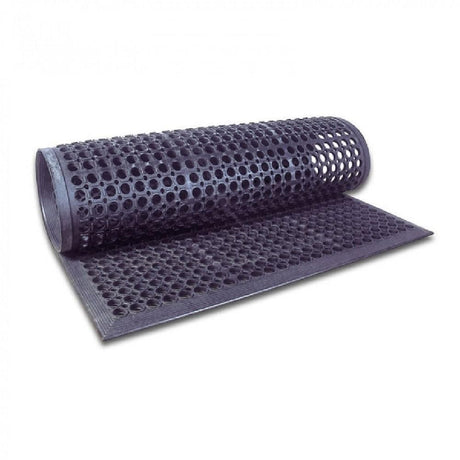
Rubber fracturing compromise structural stability, creating immediate tripping hazards.
Visible damage is one of the clearest signs that a ramp is unsafe. While every ramp wears differently, any damage affecting strength, stability or grip should be taken seriously.
Here's what to look for based on the type of ramp you have.
Loading Ramps
Loading ramps work hard carrying heavy equipment, vehicles and machinery, so they naturally cop a lot of wear over time.
Check for:
- Cracks or hairline fractures
- Bent ladder rungs or side rails
- Broken or damaged welds
- Corrosion or pitting
- Sections that have bowed or sagged
Even minor structural damage places extra stress on surrounding areas and can quickly become worse with continued use. Always stay within the manufacturer’s recommended ramp weight capacity, as overloading significantly accelerates wear.
Wheelchair and Mobility Ramps
Wheelchair ramps should provide smooth, stable access every time they're used.
Look for:
- Cracks in the ramp surface
- Worn anti-slip surfaces
- Loose hinges, rails or fasteners
- Parts that no longer sit flat
- Movement or flex that wasn't there before
A stable ramp reduces the risk of slips and gives users greater confidence every time they cross it.

Damage on four different ramp styles creates safety risks.
Threshold and Kerb Ramps
Threshold ramps and kerb ramps are exposed to constant foot traffic, wheelchairs, mobility scooters and trolleys.
Common warning signs include:
- Cracks or splits
- Chipped or broken edges
- Worn surfaces with less grip
- Edges that have lifted or curled
- Sections that no longer sit flat on the ground
If the ramp no longer sits flat, it's time to assess whether replacement is the safer option.
Dog Ramps
Dog ramps also experience regular wear, especially if they're frequently transported or stored outdoors.
Check for:
- Cracks or splits in the frame
- Worn grip material
- Loose hinges or joints
- Sharp or damaged edges
- Sections that bend under your dog's weight
Dogs often hesitate when a ramp feels unstable or slippery, making it more stressful for both pet and owner. Regular cleaning, correct storage and avoiding overloading help extend your ramp's lifespan, but structural damage should never be ignored.
2. Your Ramp No Longer Suits Your Needs

A shorter ramp increases the incline, making it much harder to roll your motor.
Sometimes the issue isn't damage at all. Instead, your lifestyle has changed.
Ask yourself:
- Have you upgraded to heavier machinery or equipment?
- Have you replaced your car, ute or trailer with a taller or heavier model?
- Are you using a larger wheelchair or mobility scooter?
- Have you moved house and need a different ramp height or length?
- Has your dog outgrown the ramp you originally bought?
Even small changes affect ramp safety. A ramp that's too short creates a steeper loading angle, while a lower weight rating no longer safely supports your equipment. If your setup has changed, our loading ramp buying guide can help you choose the right ramp for your vehicle, equipment and loading height.
3. Your Ramp Feels Unstable or Wobbly
Shaky, wobbling ramps are unreliable, especially under the weight of heavy tractors.
A quality ramp should feel secure every time you use it. If it suddenly feels different, don’t ignore it.
Watch for:
- Rocking during use
- Movement while loading
- Increased flex
- Poor contact with the ground
- Difficulty sitting securely against the loading surface
These problems often develop gradually as hinges, fasteners or structural components wear. If tightening fixings doesn't solve the issue, stop using the ramp until it has been properly inspected.
If you're not sure whether your aluminium loading ramps are moving too much, read our guide on aluminium ramp movement. It explains what's normal, what's not, and why some flex is expected.
4. Your Ramp Has Become Too Steep or Slippery

A non-skid ramp surface can cause your pet to slip and get hurt.
Even a ramp that’s in good condition can become unsafe if it no longer provides the right loading angle or grip.
Signs include:
- Difficulty pushing equipment uphill
- Your wheelchair or mobility scooter feels harder to control
- Your dog hesitates or slips when using the ramp
- Tyres lose traction during loading
- The ramp becomes slippery when it's wet
This often happens after upgrading your vehicle or equipment, but continuing to use the same ramp. It also happens when a ramp is too short for the loading height. Over time, the anti-slip surface wears down. Once it becomes smooth or damaged, it no longer provides enough grip for safe use.
If your ramp feels too steep or no longer provides enough grip, replace it with a longer ramp or one that's designed for your current setup. A properly matched ramp provides the angle, grip and stability needed for safe loading and unloading. Our Ramp Calculator can help determine the recommended ramp length for your loading height and create a safer loading angle.
5. Your Ramp Makes Creaking or Unusual Noises

Inspect ramp hinges regularly for stress cracks.
A ramp shouldn't suddenly begin creaking, grinding, or rattling. These noises often indicate:
- Loose hinges, bolts or fasteners
- Worn joints or moving parts
- Hidden structural damage
- Parts rubbing together when they're under load
Don't assume these sounds are normal. Inspect the ramp carefully before using it again. If the cause isn’t obvious or the noise continues after tightening or replacing loose parts, stop using the ramp until it has been professionally assessed. A well-maintained ramp should inspire confidence, not make you question whether it’s safe.
Can Regular Maintenance Extend a Ramp's Life?
Good maintenance won't prevent every problem, but it will help maximise your ramp's lifespan.
Simple habits include:
- Cleaning away dirt and debris
- Checking hinges and bolts regularly
- Inspecting welds and anti-slip surfaces
- Storing portable ramps out of harsh weather where possible
- Using your ramp within its weight capacity
Routine inspections make it easier to spot wear early and help you identify when a loading ramp replacement is the safest option. For a complete maintenance checklist, read our ramp maintenance guide.
Quick Ramp Safety Checklist
Before your next use, ask yourself:

Inspect your ramps using a structured checklist.
If you answered "no" to any of these questions, your ramp needs attention. Stop using it until you've identified the problem.
Frequently Asked Questions
Can a damaged ramp be repaired, or should it be replaced?
It depends on the type and extent of the damage. Loose bolts or worn anti-slip surfaces can often be repaired, but structural damage such as cracks, bent rails or broken welds usually means it's time to replace the ramp to ensure safe use.
How long does a ramp last?
There's no set lifespan for a ramp. It depends on how often it's used, the weight it carries, how well it's maintained and whether it's stored correctly. Regular inspections are the best way to identify wear and tear before it becomes a safety issue.
How do I choose the right replacement ramp?
Choose a ramp that's designed for your current setup, not your old one. Consider the type of ramp you need, the required weight capacity, the height you're bridging and the ramp length needed to achieve a safe loading angle. Use our Ramp Calculator to determine the recommended ramp length for your loading height.
Can I keep using a ramp with a small crack?
No. Even a small crack can compromise a ramp's structural integrity and may worsen under load. If you notice a crack in the ramp or its welds, stop using it immediately and inspect it. Replace the ramp if it is damaged or no longer safe to use.
Time for an Upgrade?

Ensure ramps match vehicle weight capacity.
Knowing when to replace a ramp before it fails is one of the simplest ways to reduce the risk of accidents and protect your equipment.
Whether you're replacing a worn-out ramp or upgrading to one that's better suited to your current needs, choosing the right ramp will give you greater confidence every time you use it.
Explore Australia’s largest range of loading ramps, wheelchair ramps, kerb ramps, threshold ramps, dog ramps and more, or speak with our team if you'd like help choosing the right replacement.
Shop Loading Ramps