

Ever tried doing an oil change lying on your back with barely enough room to move?
Yeah… not exactly a good time. You’re cramped, can’t see properly, and everything just takes twice as long.
Chances are that’s how you started, just making do with whatever you had. But with the right setup, your garage can feel way safer, organised, and a lot easier to work in.
If you’re ready to set things up properly, this guide will walk you through the essentials, without overcomplicating it.
Why Does Your Garage Setup Matter So Much?
Before we even talk tools, here’s the big one: your setup can make or break the job.
If you’re working on a sloped driveway, uneven ground or a tight garage, even a simple job like an oil change can turn into a hassle. It also increases risk.
Most DIY car maintenance jobs come down to three things:
- Getting under the vehicle
- Lifting it slightly
- Loading or unloading equipment
Get those right, and everything else becomes a whole lot easier.
A good setup is simple:
- Flat, solid surface
- Enough room to move
- Gear that keeps everything steady
No elaborate setup needed. Just a safe starting point. It’s also worth knowing what to check before you start. See our DIY car repair guide.
What Gear Do You Need for DIY Car Maintenance?
Here’s where most people get stuck. You start Googling, and suddenly there are a dozen auto & workshop tools options.
Good news: you don’t need everything. A few key pieces of gear will cover most jobs and make things safe from day one.
Car Ramps or Jack Stands: Which Is Better?
Short answer: depends on the job.

Mechanic working under a car raised on ramps in a home garage.
Car ramps are the easiest way to get started. Drive up, and you’ve got instant access underneath.
They’re great for:
- Oil changes
- Inspections
- General DIY car maintenance
Not sure which ones to choose? Take a look at our guide to choosing the right car ramps.
How to Use Car Ramps Safely
- Place ramps on a flat, solid surface.
- Line them up straight with your tyres.
- Slowly drive up, no sudden acceleration.
- Once in position, apply the handbrake.
- Always use wheel chocks for extra safety.
Quick tip: If it feels off while driving up, stop and reset. Don’t force it.

Bottle jack lifting a car inside a home garage.
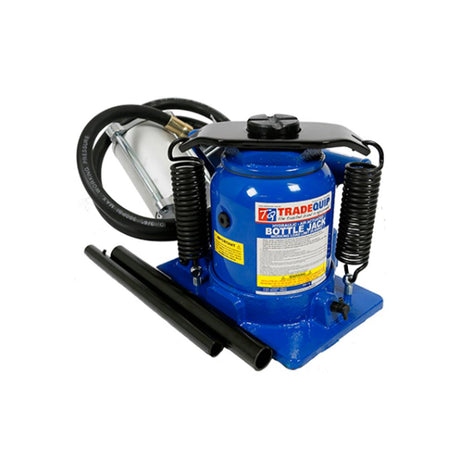
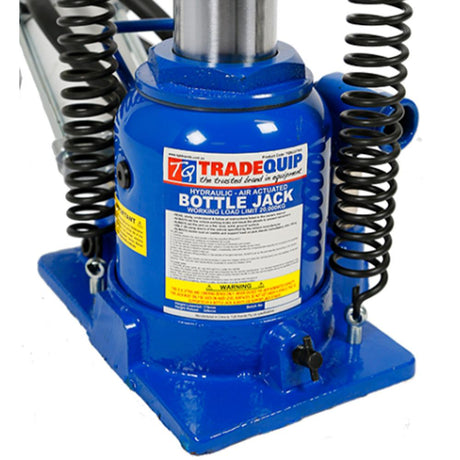
Jack stands, plus a bottle jack or hydraulic jack, give you more flexibility. You lift the car, then secure it on the stands.
Better for:
- Brake work
- Tyre changes
- Jobs where wheels need to come off
Most home setups end up using both.
Quick way to think about it:
Want fast and simple - go with ramps.
Want full access - go with jack stands.
Don't Skip Wheel Chocks

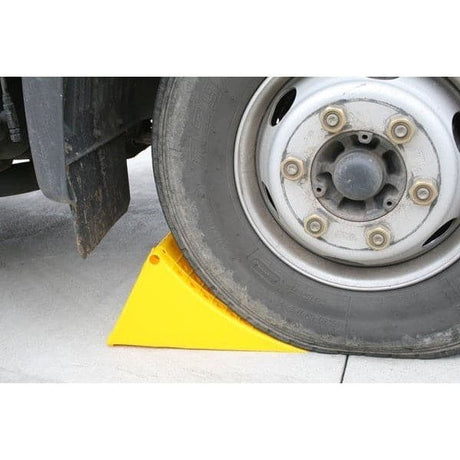
Rubber wheel chock securing an off-road tyre.
This is one of those things people ignore… until they realise why it matters.
Even if your car is on ramps or stands, it can still move slightly. That’s all it takes to cause problems.
Wheel chocks or rubber chocks stop your car from rolling while it’s lifted. Even on flat ground, you shouldn’t skip them. Many home garages use rubber chocks. They grip well on concrete, don’t slide around easily, and hold up with regular use.
How to use them:
- Set them against the tyres, keeping them firmly on the ground
- Use them on both sides if needed
- Always set them before lifting the vehicle
They’re simple, but they go a long way in keeping things safe.
Simple rule: If the car is off the ground, chock the wheels.
A Better Way to Work on Your Bike at Home

Mechanic servicing a motorbike on a motorcycle lifter.
If you’re working on a motorbike at home, getting it off the ground properly changes how easy the job is.
Trying to do maintenance while the bike is on its wheels can be awkward, especially for cleaning, inspections or minor repairs.
A motorcycle lifter gives you a stable way to raise the bike and work at a more comfortable height. You can lift it gradually and lock it in place, so it stays steady while you’re working.
It’s a good fit for jobs like:
- Cleaning and detailing
- Chain maintenance
- Inspections and minor repairs
For a home garage setup, it’s one of the simpler ways to make working on your motorbike more manageable.
Setting Up a Safe DIY Garage (Without Overthinking It)
You don’t need a full workshop to get this right.
A solid basic setup looks like this:
- Car ramps or jack stands
- Wheel chocks
- Flat, stable ground
- Good lighting so you can actually see what you’re doing
That’s it. Keep it simple and safe.
What Mistakes Should You Avoid?

A man stands next to a blue pickup truck jacked up with a removed wheel, with another wheel and tools on the driveway.
Everyone makes a few early on. Here are the big ones.
1. Rushing the setup
Skipping checks can lead to more hassle later. A quick check saves time.
2. Working on uneven ground
Even a slight slope can affect stability. Stick to flat, solid surfaces.
3. Not using wheel chocks
Without them, there’s always a chance the vehicle can move.
4. Using underrated equipment
Weight ratings matter. Choose equipment that can handle your vehicle.
5. Choosing the cheapest option
Lower-quality gear can be harder to use and less reliable over time.
Getting these right makes every job easier.
FAQs
1. Do I really need both car ramps and jack stands?
Not always. If you’re mostly doing oil changes and inspections, ramps will do the job. But if you plan on removing wheels or doing more detailed work, jack stands are worth having.
2. Are wheel chocks necessary on flat ground?
Yep, still a good idea. Even on flat concrete, small movements can happen, especially when lifting the vehicle.
3. What’s the safest way to lift a car at home?
Use properly rated equipment, work on a flat surface, and always secure the vehicle (with stands or ramps + chocks). Never rely on just a jack.
4. Can I use ramps for all vehicles?
Not always. It depends on clearance and weight. Always check the specs before using them.

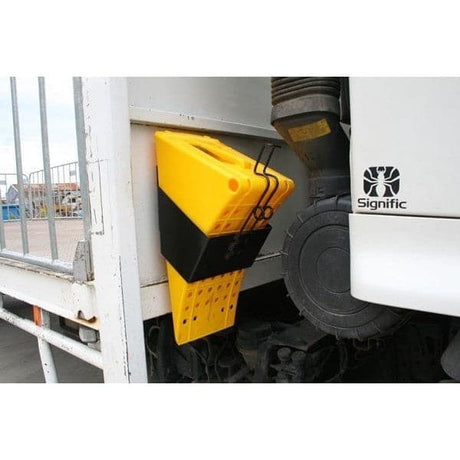
4WD parked safely with wheel chocks in a home garage.
Ready to Sort Your Setup?
With the right gear in place, working on your vehicle becomes a lot more straightforward. You’ve got better access, more control, and a setup you can rely on every time.
If you’re putting together your home garage for DIY car maintenance, start with the basics and build from there.






4 comments
Thanks for sharing your thoughts, Alex. We’re glad you found the guide helpful. You’ve raised some great points, especially about prioritising safety, using the right equipment and knowing when to seek professional help. Proper preparation really does make DIY car maintenance safer and more manageable. We appreciate your feedback.
Setting up a home garage for DIY car maintenance is a great way to make vehicle care more convenient, organized, and cost-effective. I especially agree that safety should always come first, particularly when lifting a vehicle or working underneath it. Investing in quality tools, sturdy jack stands or suitable car ramps, and keeping the workspace clean can make routine maintenance much easier and help prevent accidents. It is also important to know your limits and recognize when a repair requires professional experience, especially when dealing with complex engine issues, brakes, or suspension components. Having the right equipment and a well-organized workspace makes it easier to handle basic maintenance while protecting both your vehicle and yourself. Good preparation really does make every DIY car repair project safer and more enjoyable.
Hi Alex,
Thanks for the great feedback! We’re glad you found the guide helpful. Having a safe and practical workspace really does make a difference when tackling DIY car maintenance at home.
If you ever need help choosing the right ramps or other workshop products for your setup, feel free to give the Ramp Champ team a call on 1300 913 047 or email us at hello@rampchamp.com.au. We’re always happy to help!
This is a great guide for anyone looking to turn a basic home garage into a more practical workspace for DIY car maintenance. The point about having a flat, solid surface and enough room to move around is especially important, because having the right tools doesn’t help much if the working environment itself is unsafe or uncomfortable.