Most people shopping for a loading ramp focus on weight capacity and ramp length. Fair enough. Those are big factors. But there’s a detail that quietly plays a huge role in safety and performance:
The ramp rung design.
Ramp rungs are what provide grip for tyres and tracks. The wrong design can mean less traction, extra ramp wear, or a loading experience that feels unstable.
In this guide, we’ll walk you through the different types of loading ramp rungs, how they affect traction and safety, and how to choose a ramp design that suits your equipment.
What Are Loading Ramp Rungs?
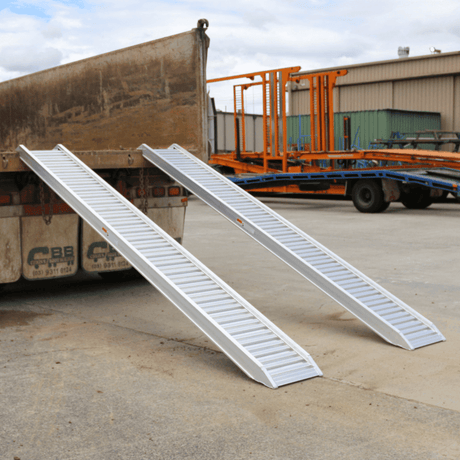
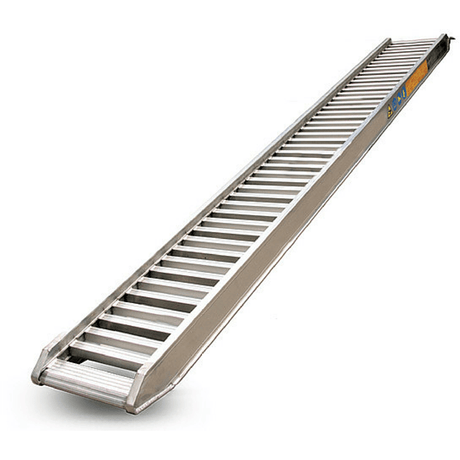
Loading ramp rungs are the horizontal traction bars built into the ramp surface.
They serve several important purposes:
- Provide grip and control for tyres and tracks
- Support the ramp’s structural strength
- Distribute weight evenly across the ramp surface
- Improve safety during loading and unloading
Not all ramps use the same surface design. Rungs of different aluminium loading ramps are built for various equipment types and loading conditions, which is why the ramp surface matters just as much as ramp length or capacity.
Why Ramp Rung Design Matters for Safety and Grip?

When equipment climbs a ramp, all traction occurs at the rung contact points. If the ramp surface isn’t designed for the machine being loaded, this can significantly increase the risk of slipping or loss of control.
A ramp with a well-designed traction surface helps tyres or tracks maintain steady grip, reducing the risk of slipping during loading.
Good ramp rung design helps with:
- Traction – allowing tyres or tracks to grip the ramp surface
- Stability – helping machines move smoothly during loading
- Machine compatibility – different tyres and tracks interact with ramp surfaces differently
- Ramp durability – the right design helps reduce unnecessary wear
Using the wrong ramp rung design can lead to:
- Reduced traction
- Premature ramp damage
- Increased risk of slipping during loading
That’s why ramp surface design is a key part of choosing the right loading ramp.
What Are the Different Types of Loading Ramp Rungs?

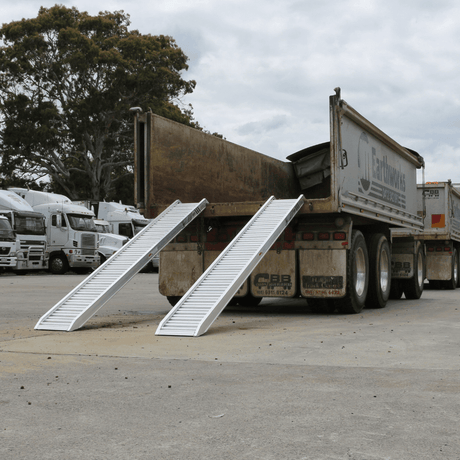
Many aluminium loading ramps use horizontal rungs to create contact points across the ramp surface. These rungs are where tyres or tracks grip as equipment moves up the ramp during loading.
While they may look similar at first glance, there are several different ramp rung profiles used to improve grip and support different ramp designs.
The three most common styles include:
- Flat profile rungs
- Square profile rungs
- Serrated profile rungs
Each rung style creates a slightly different traction pattern.
Flat Profile Rungs
Flat profile rungs use a flat aluminium surface with anti-slip ribs or textured patterns. These ribs increase surface contact between the ramp surface and the machine’s tyres or tracks.
Flat profile rungs are commonly used on ramps designed for:
- Lawn mowers
- ATVs and quad bikes
- Light landscaping equipment
- Machinery with rubber tyres or rubber tracks
They provide reliable traction for many everyday loading applications.
Square Profile Rungs
Square profile rungs use a square-shaped aluminium design with anti-slip ribs across the surface. The shape adds rigidity to the ramp while still providing a consistent grip.
These rungs are commonly used on ramps designed for:
- Landscaping equipment
- Compact construction machinery
- Equipment with rubber tyres or rubber tracks
They help balance structural strength and traction in many mid-duty ramp designs.
Serrated Profile Rungs
Serrated ramp rungs feature raised grip edges or serrations along the surface. These serrations create extra contact points for tyres or tracks, which can help reduce slippage in more challenging conditions.
- On wet ramps
- On muddy worksites
- In an environment where extra grip is useful
Serrated ramp rungs are often used in more demanding loading environment, depending on the ramp’s overall design and capacity rating.
Ramp Rung Profile Comparison Table

Loading Ramp Rungs for Different Machine Types
Ramp rungs are often designed based on the type of machinery being loaded.
The pressure placed on a ramp varies depending on whether the equipment uses:
- Rubber tyres
- Rubber tracks
- Steel tracks
Most loading ramps fall into two main categories:
- Rungs designed for rubber tyres and rubber tracks
- Rungs designed for steel tracks
Choosing a ramp built for the right machine type helps support traction, ramp durability and safe loading.
Rungs for Rubber Tyres and Rubber Tracks
These are the most common loading ramps and are designed for equipment using pneumatic tyres or rubber tracks. They often use a flat, square or serrated rung designs.
Typical equipment includes:
- Lawn mowers
- ATVs and quad bikes
- Landscaping equipment
- Compact construction machinery
These ramps are designed to provide reliable grip while helping prevent damage to tyres or rubber tracks.
Rungs for Steel Tracks
Steel-tracked machinery places much higher pressure on ramp surfaces compared with rubber tyres or rubber tracks.
Because of this, ramps designed for steel tracks usually use stronger rung designs, such as angle-iron rungs
These rungs often have a triangular profile that increases strength and durability.
Helpful safety tip:
Loading steel-tracked machinery onto ramps that are not designed for steel tracks can quickly damage the ramp and may void the manufacturer’s warranty. Before loading steel-tracked equipment, always confirm that the ramp is rated specifically for steel tracks and follow the manufacturer’s guidelines.
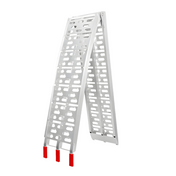
Alternative Ramp Surface Design: Punch Plate Ramps

Not every ramp uses traditional rungs. Some loading ramps use a punch plate surface design instead.
Key characteristics include:
- Perforated aluminium surface
- Continuous grip across the ramp
- Holes that help shed mud, water and debris
Punch plate ramps are often used where consistent traction is preferred, particularly for equipment with smaller wheels or when operating in muddy conditions. As with all ramp types, it is important to ensure the ramp is rated correctly for the equipment being loaded and used according to the manufacturer’s guidelines.
How to Choose the Right Ramp Rung Type?
Choosing the right ramp rung type mostly comes down to understanding how and where you’ll be using the ramp
Here are a few things worth considering:
1. What Equipment Are You Loading?
Start with the machine itself. Different tyres and tracks interact differently with ramp surfaces, so using a ramp designed for your equipment type helps maintain safe loading conditions.
2. What Environment Are You Loading In?
If you regularly load equipment outdoors, especially on grass, dirt or construction sites, choosing a ramp with higher traction can help improve grip. You can explore our range of aluminium loading ramps designed for different environments and equipment types.
3. Does the Ramp Have the Right Capacity?
Ramp capacity is determined by the overall ramp design, including:
- Ramp structure
- Materials
- Rung construction
Always confirm the ramp is rated for the combined weight of the equipment and operator.
4. How Often Will the Ramp Be Used?
If ramps are used frequently for work, choosing a ramp with durable rung construction can help improve long-term performance.
Important: Always ensure the ramp is rated appropriately and used according to the manufacturer’s guidelines.
Frequently Asked Questions
1. How do I know if a ramp is suitable for my machine?
Check the ramp’s rated capacity, recommended machine type (rubber tyres or rubber tracks ), and the loading angle. A ramp can be the right size but still be unsuitable if the rung design does not match the equipment.
2. Are serrated rungs better than punch plate ramps?
Not always. Serrated rungs can provide a strong grip at the tyre contact points and are often lighter, while punch plate ramps provide continuous grip across the full surface and can perform well in wet or muddy conditions. The better option depends on your equipment and loading environment.
3. Can I use the same ramp for rubber tracks and steel tracks?
Only if the ramp is specifically rated for both. Steel tracks place much higher pressure on ramp surfaces than rubber tracks, so many ramps designed for rubber tracks are not suitable for steel-tracked machinery. Always confirm compatibility before use.
4. How steep should a loading ramp be?
As a general guide, a lower angle is safer and easier to load. The correct angle depends on the machine, tyre or track type, and the ramp length. Always follow the manufacturer’s recommendations and avoid steep angles that increase the risk of slipping or instability.
5. How often should loading ramps be inspected?
Ramps should be checked before each use. Look for bent rungs, cracked welds, loose fixings or any signs of wear. Damaged ramps should not be used until they are repaired or replaced.
Choosing the Right Loading Ramp for Your Equipment

Understanding the different types of loading ramp rungs can make a big difference when selecting the right ramp. Factors such as equipment type, loading environment and traction design all play a role in finding the safest option.
Ramp Champ offers a wide range of loading ramps designed for different machines and working environments. From ramps suited to rubber tyres and rubber tracks to options designed for various loading conditions, choosing the correct ramp design helps support safer, smoother and more reliable loading.
Still unsure which ramp suits your setup? Explore our range to compare options and find a ramp that suits your equipment and loading conditions.
Need a hand? Send us your equipment details and loading setup, and our team can recommend the right ramp for your needs.
Disclaimer: This article provides general information about ramp design. Every loading situation is different. Always ensure ramps are used according to the manufacturer’s guidelines and capacity ratings. If you are unsure which ramp suits your equipment, consider seeking advice from a qualified professional.