Ever stepped onto a busy worksite and felt like things were one wrong move away from going sideways?
Forklifts cutting through tight aisles. Trucks reversing with limited visibility. People moving between zones that weren’t clearly designed for both.
Most of the time, nothing happens.
But when something does go wrong, it’s usually not minor. It can mean damaged stock, delays, or someone getting hurt.
The tricky part?
These risks don’t usually come from one big mistake. They build up from everyday movement that isn’t clearly guided.
The good news is, you don’t need to overhaul your entire site to fix it. With the right traffic management approach and a few well-placed changes, you can make movement safer, more predictable and easier to manage.
In this guide, we’ll walk through where things usually go wrong on busy worksites, and the simple ways to get things back under control.
Why Worksite Safety and Traffic Management Matter?
Most worksites aren’t designed with perfect traffic flow in mind; they evolve.
You end up with:
- Trucks sharing space with pedestrians
- Forklifts cutting through tight areas
- Loading zones doubling as access routes
That’s where things start to stack up.
Good worksite traffic management equipment and planning help:
- Make it obvious where vehicles and pedestrians should move
- Reduce near misses in busy areas
- Keep deliveries and operations running without bottlenecks
- Protect buildings, stock, and equipment from damage
From what we’ve seen, even small changes can make a big difference on a busy site.
Where Do Things Usually Go Wrong on Busy Worksites?

Even well-run sites can have a few tricky spots where traffic builds up or visibility is limited. Knowing where these risks usually show up can make it easier to manage them before they become a bigger issue.
Here are a few common hazards we often see on busy worksites:
1. Shared Zones Between Vehicles and Pedestrians
These are big ones. Warehouse aisles, entry points and access routes often become mixed-use zones. Without a clear separation, everyone’s guessing what the other person will do next. On sites with a lot of movement, this is often where warehouse traffic management starts to break down.
2. Blind Spots Around Machinery
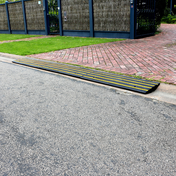
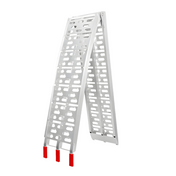
Forklifts and trucks don’t have great visibility at the best of times, especially when carrying loads. Add tight corners or busy intersections, and you’ve got a recipe for near misses. This is where practical forklift safety solutions can make a real difference, especially when using forklift container ramps safely.
3. Congested Loading Areas
Loading zones are always moving, trucks arriving, forklifts unloading, and workers walking through. Without structure, these areas can turn into bottlenecks fast. It’s often a sign that the overall worksite traffic control setup needs tightening up.
4. Unorganised Parking and Vehicle Movement
When parking isn’t clearly defined, vehicles end up wherever they fit.
That leads to:
- Blocked access routes
- Tight manoeuvring
- Increased risk of bumps and scrapes
Over time, this can make even simple movements harder than they need to be, especially on sites without a clear traffic plan in place.
What Traffic Control Equipment Do You Need on a Worksite?

Once you’ve identified the trouble spots, the next step is putting the right gear in place to guide movement and reduce risks.
Here are some commonly used traffic control solutions on worksites.
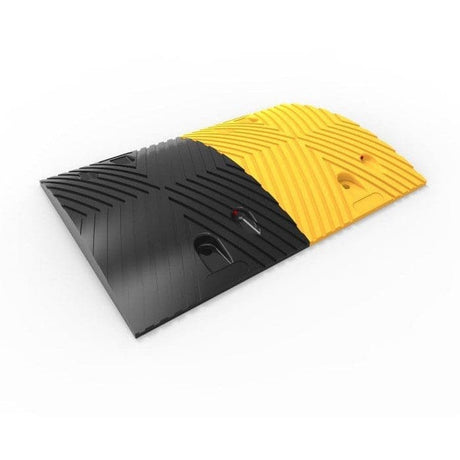
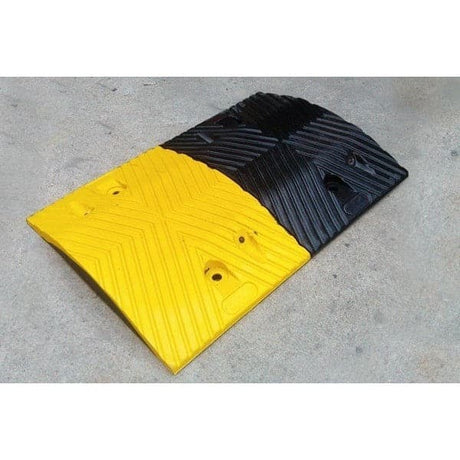
1. Speed Humps for Safer Warehouse Traffic Flow
In shared zones, speed is usually the biggest risk.
Speed humps are a simple way to encourage drivers to ease off in:
- Warehouse yards
- Car parks
- Loading areas
They’re widely used in warehouse traffic management to help slow vehicles down and give everyone more time to react.
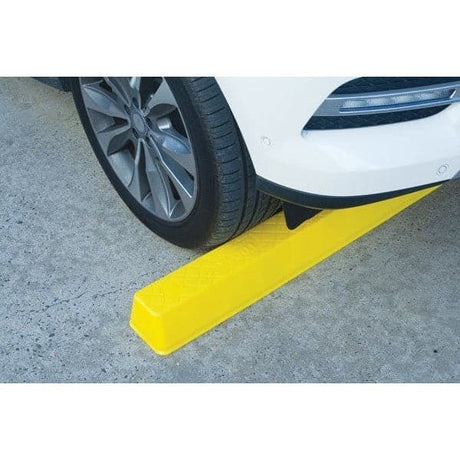
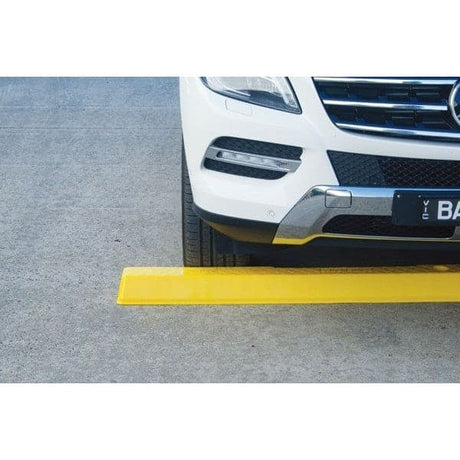
2. Wheel Stops for Organised Parking and Traffic Control
Wheel stops are one of those small additions that make a site feel instantly more organised.
They help:
- Keep vehicles aligned
- Prevent over-parking in walkways or buildings
- Reduce accidental contact with walls or equipment
They’re especially useful in areas where traffic control equipment is needed to keep parking predictable and consistent.
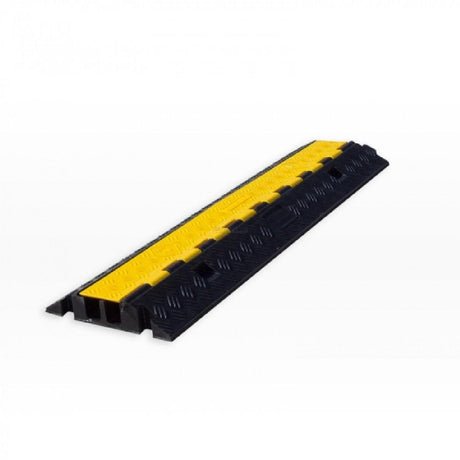
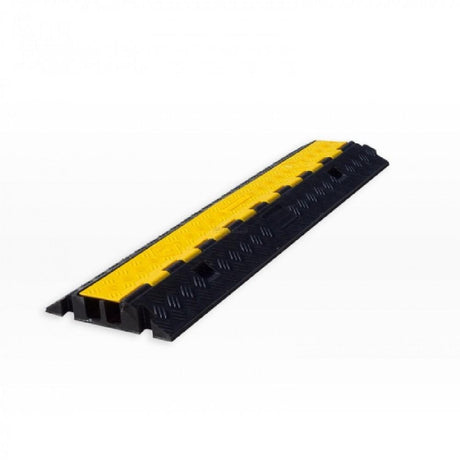
3. Cable Protectors for Safer Crossings in High-Traffic Areas
Loose cables across traffic areas are a headache waiting to happen.
Cable protectors help:
- Reduce trip hazards
- Protect cables from damage
- Make crossings more visible
If your site runs temporary power or hoses across walkways, it’s worth learning more about cable protector ramps for high-traffic areas.

4. Corner Guards for Forklift Safety in Tight Areas
If you’ve got tight corners, you’ve probably got scuff marks to match. Corner guards help absorb those inevitable bumps from forklifts and vehicles, protecting both the structure and the equipment. They’re a simple but effective addition to many forklift safety solutions, especially in high-traffic warehouse environments.
5. Temporary Traffic Control Tools
Worksites change throughout the day, so flexibility matters. Tools like a traffic cone (witches' hat), retractable tape barrier and temporary signage are great for:
- Blocking off work zones
- Redirecting traffic
- Managing short-term hazards
These are commonly used as part of temporary worksite traffic control systems where layouts shift regularly.
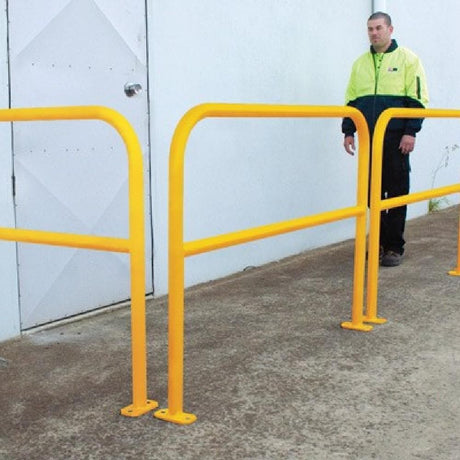
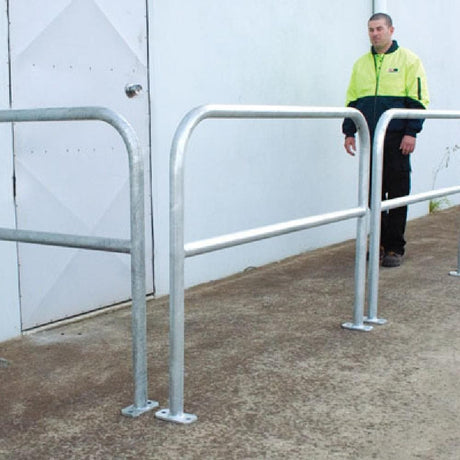
6. Pedestrian and Access Control Barriers for Safer Movement
Clear separation is one of the most effective safety moves you can make.
Simple solutions like a pedestrian barrier or a U-bar rail barrier help:
- Guide foot traffic
- Protect walkways
- Limit vehicle access to certain areas
When used in the right locations, traffic control equipment like this can help create a more organised and predictable flow of worksite traffic.
Best Practices for Managing Worksite Traffic Safely

Gear helps, but how you use it matters just as much.
Here are a few practical habits that work well on real sites:
1. Create Clearly Marked Traffic Routes for Better Traffic Flow
Clear entry, exit, and flow paths reduce hesitation and confusion. Even basic markings or barriers can make a huge difference. On busy sites, this is often the foundation of effective worksite traffic control systems.
2. Separate Pedestrian Walkways from Vehicle Traffic
The more separation, the better. Even a simple barrier or a marked walkway can make it easier for everyone to understand where they should move.
3. Keep Traffic Control Equipment Visible
If drivers can’t see it, they won’t follow it. Traffic control tools work best when they’re easy to spot. Brightly coloured barriers, bollards and hats help drivers quickly recognise changes in traffic flow or restricted areas.
4. Check Traffic Areas Regularly
Worksites change constantly.
Taking a few minutes to check:
- Are routes still clear?
- Has anything shifted?
- Are temporary setups still working?
…can prevent small issues from turning into bigger ones.
A Quick Heads-up on Worksite Safety (From What We’ve Seen)
Nothing over the top here, just a few things worth keeping in mind:
- Most incidents happen in familiar areas, not new ones
- Visibility is often the biggest factor (not speed alone)
- People adapt to poor layouts, which can hide risks over time
- Temporary setups can become “permanent problems” if not reviewed
FAQs
Q: What is traffic management for worksites?
A: It’s about organising how vehicles and people move around a site to keep things safe and efficient, using layout, signage, and traffic control equipment.
Q: What equipment is commonly used?
A: It depends on your site setup and risks. It’s usually a mix of:
- Speed humps
- Barriers
- Wheel stops
- Cones and temporary barriers
- Cable protectors
Q: Do small sites really need traffic management?
A: Yeah, they do. Even smaller sites can have blind spots, shared zones, and tight access points. A few simple changes can make a big difference.
Q: How often should traffic setups be reviewed?
A: Regularly, especially when:
- Site layouts change
- New equipment is introduced
- Traffic volume increases
Even a quick check now and then helps keep things on track.
So, How Do You Create a Safer, Smoother Work Site?

You don’t need to overhaul everything overnight.
Start with:
- Identifying your busiest and riskiest areas
- Making movement more predictable
- Adding the right construction site traffic control equipment where it counts
That’s usually enough to take a site from reactive to under control.
If you’re looking to improve how things flow on your site, we offer a range of traffic control and parking equipment designed to help manage busy work areas.