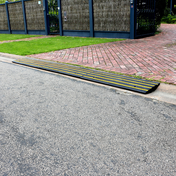
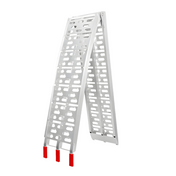
A yard ramp is a smart solution for warehouses and small businesses looking to speed up loading without investing in a permanent dock or fixed loading dock ramps.
But choosing the right ramp is only the beginning. Safety ultimately comes down to how the ramp is set up, used, and maintained on-site.
In this guide, you’ll find practical yard ramp safety tips and best practices, including a checklist you can use daily, inspection and maintenance advice, and the common safety mistakes to avoid.
Why Yard Ramp Safety Matters
Yard ramps simplify loading, especially when there’s no permanent dock or when loading dock access is limited. But they also introduce risk. With forklifts, trucks, pallets, and people moving around the same space, warehouse loading ramp safety is critical.
One shift in the ramp, a slick surface, or poor positioning can lead to damaged stock, costly repairs, or serious injuries. Safety is about more than compliance; it's about preventing downtime, avoiding delays, and protecting your team.
Choosing the Right Yard Ramp for Safety

The right ramp sets the foundation for safe use. A mismatched or under-rated ramp increases risk and slows down operations.
1. Match Ramp Specs to Forklifts and Loads
Ensure the ramp suits:
- Your forklift type and operating weight
- Typical load weights
- Loading height and vehicle types
- Daily usage frequency
Ramp capacity must account for the combined weight of the forklift and the load, not just the pallet weight. As a general guide, many operations choose a ramp rated higher than the combined weight to allow for movement and incline forces.
Key safety features to consider:
- Longer ramps reduce incline steepness
- Wider ramps improve maneuverability
- Traction surface supports stability
- Drainage and grip improve performance in wet conditions
If you’re unsure how forklift weight compares to ramp capacity, contact our team before purchase.
2. Match the Ramp to Site Conditions
Mobile yard ramps safety starts with smart selection.
Before purchase, assess your site:
- Ground condition (level vs uneven or cracked)
- Water drainage (pooling water or muddy areas)
- Forklift access (clear, straight approach space)
- Site visibility (tight turns, blind spots, or poor lighting)
- Traffic levels (pedestrian and vehicle activity)
If your loads, forklift weight, or site conditions fall outside standard use, a higher-capacity or custom-made ramp solution may be the safer option.
Forklift Yard Ramp Safety Training

Forklift yard ramp safety depends on consistent use. A yard ramp is only as safe as the person operating around it. That’s why forklift operators and yard staff need consistent, site-specific training.
1. Integrate Yard Ramp Use into Forklift Training
Forklift licences cover general operation, but ramp use adds extra variables.
Make sure operators are trained to:
- Approach straight and stay centred
- Keep speed controlled and brake smoothly
- Keep forks low and loads stable on inclines
- Never turn on the ramp
- Stop immediately if the ramp shifts or feels unstable
2. Standardise Your Loading Routine
This is especially important for new staff, casual workers, and anyone filling in. Create a repeatable loading process that covers:
- Who sets up and secures the ramp
- Pre-use checks before loading
- Spotter requirements
- Pedestrian exclusion zones
- When to stop and inspect the ramp
3. Use Spotters in High-Traffic Zones
In busy areas, spotters support safe loading when visibility is limited and activity is high.
Spotters help:
- Keep pedestrians and vehicles clear
- Guide alignment and positioning
- Confirm chains and chocks are in place
- Stop loading if anything looks unsafe
Clear signals and simple communication rules reduce confusion and keep loading moving safely.
Ramp Placement and Setup Best Practices

Improper ramp placement is a top cause of yard ramp incidents. Even a well-rated ramp becomes unsafe if set on unstable ground or left unsecured.
These mobile yard ramp safety checks are especially important if your ramp is repositioned often or shared between loading areas.
1. Set Up on Stable, Level Ground
Set the ramp on firm, level ground and avoid potholes, loose gravel, or soft spots. Uneven surfaces can cause movement under load, increasing the risk of slipping, tipping, or misalignment.
2. Secure the Ramp Every Time
If the ramp is not secured, it can shift as soon as the forklift hits the incline, especially under heavier loads. Before loading begins, secure the ramp every time.
Don’t skip securing, even for short jobs. Before use, ensure:
- Safety chains are properly attached to the truck or dock
- Wheels are chocked so the ramp cannot roll or creep forward
- The ramp lip sits square and stable against the loading surface
3. Confirm Straight Approach Alignment
Forklifts should be able to approach the ramp in a straight line. Tight angles and last-minute turning increase the risk of edge drift.
Before loading, check that:
- The ramp is aligned square to the truck or dock
- There is enough clearance to stay centred
- The approach path is clear of obstacles, blind spots, and cross-traffic
4. Keep Ramp Surface Clean and Safe
A quick clean before use reduces slip risk and improves traction, especially in outdoor yards.
Make sure the ramp surface is:
- Free from loose debris or spills
- Dry where possible, especially after rain
- Well-lit, with clear visibility of the ramp edges and loading zone
Yard Ramp Inspection and Maintenance

Yard ramps take constant forklift traffic, heavy loads, and weather exposure. Heavy use and exposure mean wear is inevitable, so regular inspections reduce risk, prevent breakdowns, and keep your loading operation moving.
1. Daily Pre-Use Yard Ramp Safety Checklist
Before each shift, and any time the ramp is repositioned, do a quick inspection and confirm:
- The ramp is rated for the forklift and load being used
- Safety chains are attached, and wheels are chocked
- The ramp lip is sitting square and stable
- The surface is clean and free from debris, spills, or mud
- No visible cracks, bends, loose parts, or damage
2. Weekly and Monthly Maintenance Checks
Set a simple inspection routine and stick to it. Weekly or monthly checks should include:
- Structural condition (frame, lip, surface, welds, corrosion)
- Chains, hooks, and connection points for wear
- Wheels and castors for damage or looseness
- Lifting system or hydraulics (if applicable) for leaks and smooth operation
- Traction surface condition, especially in high-use areas
Red Flags to Take the Ramp Out of Service
Stop use immediately if you notice:
- Cracks, major bends, or structural damage
- The ramp shifting, slipping, or creeping during use
- Damaged safety chains, missing chocks, or unstable contact with the truck
- Excessive corrosion or surface damage affecting traction
- Unusual movement, flexing, or mechanical issues
Want a printable version for your loading area? Download the Yard Ramp Safety Checklist (PDF).
Common Yard Ramp Safety Mistakes (And How to Avoid Them)
Most yard ramp problems happen when people are rushed, and the basics get skipped. Here are the most common mistakes we see and how to avoid them.
1. Assuming the ramp capacity only applies to the load: Ramp capacity must cover the forklift and the load combined, not just what is on the forks.
2. Skipping chains and chocks: Secure the ramp every time, even if the truck is only there for a few minutes.
3. Turning on the ramp or approaching at an angle: Stay straight, stay centred, and never turn on the ramp.
4. Using the ramp on uneven ground: If the ground is not stable, the ramp can move under load. Reposition the ramp or prepare the area first.
5. Letting ramp checks slide: Small damage becomes bigger problems. A quick daily check prevents downtime later.
Safer Loading Starts Here

A well-chosen and well-maintained yard ramp keeps your loading area safer, faster, and more flexible. By following these yard ramp safety tips and best practices, your team can avoid costly mistakes and work more confidently.
Ready to upgrade your setup? Browse ourfull range of forklift yard ramps below. Need help choosing the right option? Call 1300 913 047 or email hello@rampchamp.com.au.